

Why Preventive Equipment Maintenance Matters
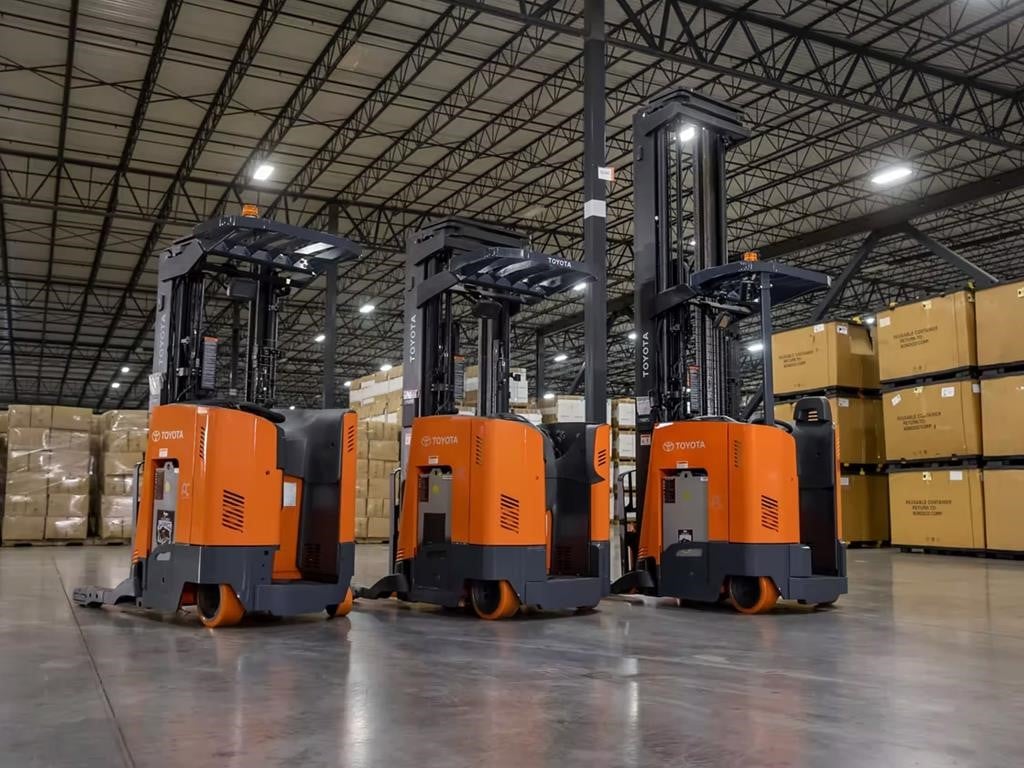
The cost of downtime goes beyond the repair
A machine that will not start on a busy morning can affect far more than the equipment itself. Crews wait, deliveries shift and planned work stalls. That is why preventive equipment maintenance is an important part of owning construction, agricultural, material handling and outdoor power equipment. The goal is not to eliminate every breakdown. It is to identify service needs early and give equipment the best chance of being ready when the job calls.
What preventive maintenance includes
Maintenance schedules vary by machine, model, operating conditions and manufacturer guidance. Typical work can include checking or changing fluids and filters, inspecting belts and hoses, lubricating specified points, reviewing tire or track condition and looking for signs of wear, leaks or damage. Technicians may also review batteries, cooling systems, hydraulic components and safety-related items as applicable. The machine’s operator manual and service intervals should guide the work; a universal checklist is not a substitute for model-specific requirements.
Why consistency matters
Small maintenance tasks are easy to postpone when a machine appears to be running normally. Yet contaminants, heat, wear and fluid loss can develop gradually. Regular inspections can reveal issues before they become larger repairs. They may also help preserve performance, reduce avoidable delays and provide a clearer record of the equipment’s care. Maintenance does not guarantee a particular service life or prevent every failure, but it improves the opportunity to act before a problem interrupts a job.
Match service to actual use
An hour meter or calendar interval is a starting point, not the entire story. Heavy dust, frequent starts, long idle periods, temperature extremes and demanding attachments may affect maintenance needs. A mower used daily in peak season has a different work pattern from an excavator that sits for weeks between projects. Track operating hours, note unusual noises or performance changes and document completed service. When in doubt, follow the manufacturer’s recommendations or ask a qualified technician.
Make a plan for your fleet
Begin with a simple inventory of equipment, models, serial numbers and service history. Set reminders for manufacturer-recommended intervals and assign a person to document work and flag concerns. Build maintenance into the job schedule rather than waiting until the equipment is urgently needed. For several machines, a coordinated service plan can make budgeting and scheduling more predictable.
Ask about service support
Winchester Equipment Company supports routine maintenance, scheduled service, diagnostics and repairs. A service representative can help customers discuss maintenance timing and what to expect when arranging work. Particular service or transportation programs have their own terms and should not be assumed to cover ordinary preventive maintenance. Always verify eligibility, coverage, possible charges and manufacturer warranty requirements directly with the service team.
Keep work moving
Whether you operate one tractor or manage a mixed equipment fleet, planned maintenance is an investment in readiness. Winchester Equipment’s Virginia service teams can help discuss routine service, diagnostics and repairs. When requesting service, share the equipment make, model, serial number, issue or service interval and preferred location so the team can help coordinate next steps.